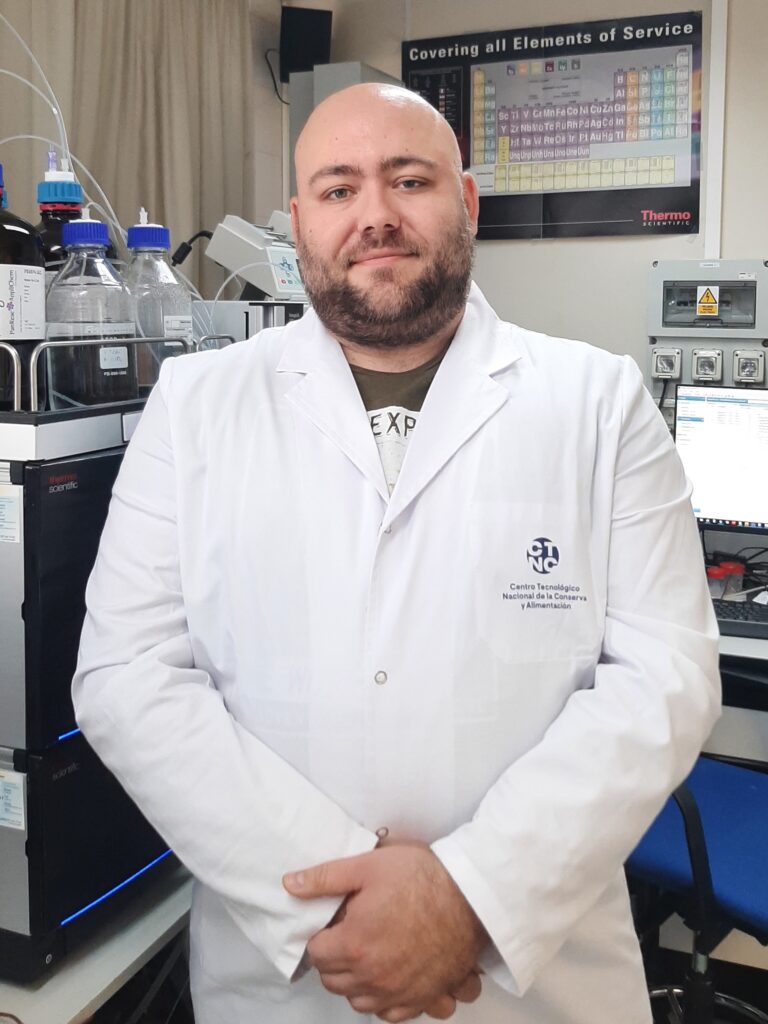
Michał Szopiński

A research and teaching staff member conducting research in the fields of plant physiology and environmental toxicology. My work involves assessing the impact of heavy metals and pharmaceuticals on plants, teaching courses in biochemistry and plant physiology, and organising popular science events. My current research focuses on plant responses to environmental contaminants, particularly trace metal elements such as cadmium and zinc, as well as emerging pollutants, including pharmaceuticals.

CTNC

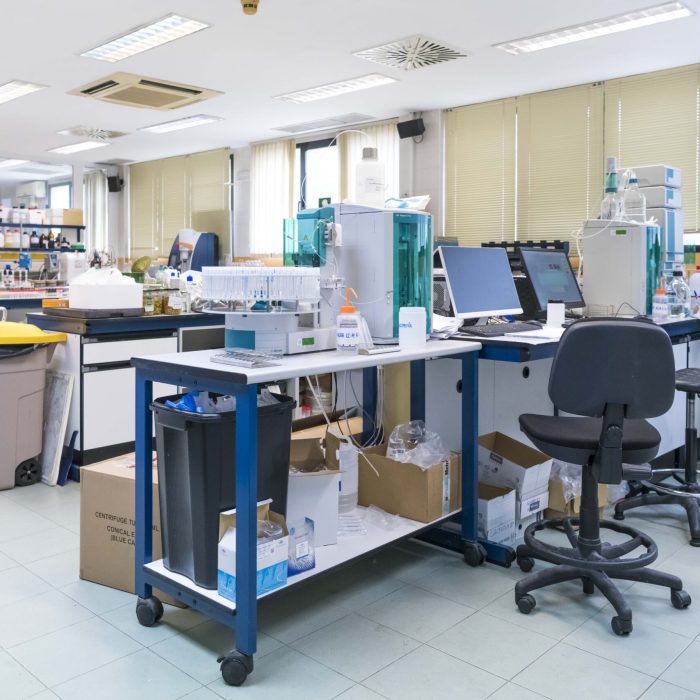
National Technology Centre for Canning_CTC_REDES_1_81
Host institution

University of Silesia

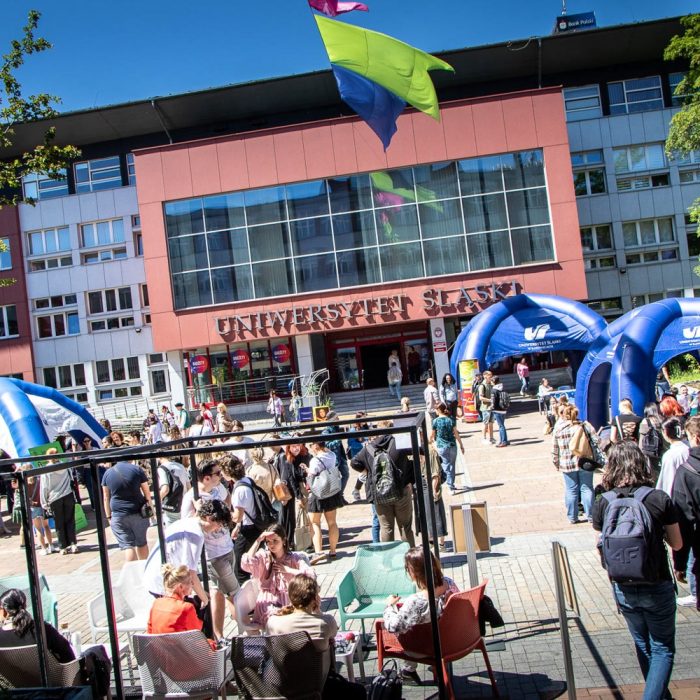
University of Silesia building, a large number of students hanging out and walking in front of it
Home institution

Microbial Biochemistry and Genetics Team, Institute of Biology, Biotechnology and Environmental Protection, Faculty of Natural Sciences, University of Silesia in Katowice

Mobility information

Profile & Interests

I focus on studying the tolerance and hyperaccumulation of Cd and Zn in plants, with particular emphasis on the species Arabidopsis halleri and Arabidopsis arenosa. I am also interested in phytoremediation, endophytic microorganisms, pharmaceutical contaminants, and the use of biochemical and analytical methods in environmental research.

Current Role

A research and teaching staff member conducting research in the fields of plant physiology and environmental toxicology. My work involves assessing the impact of heavy metals and pharmaceuticals on plants, teaching courses in biochemistry and plant physiology, and organising popular science events.

Mobility Objectives

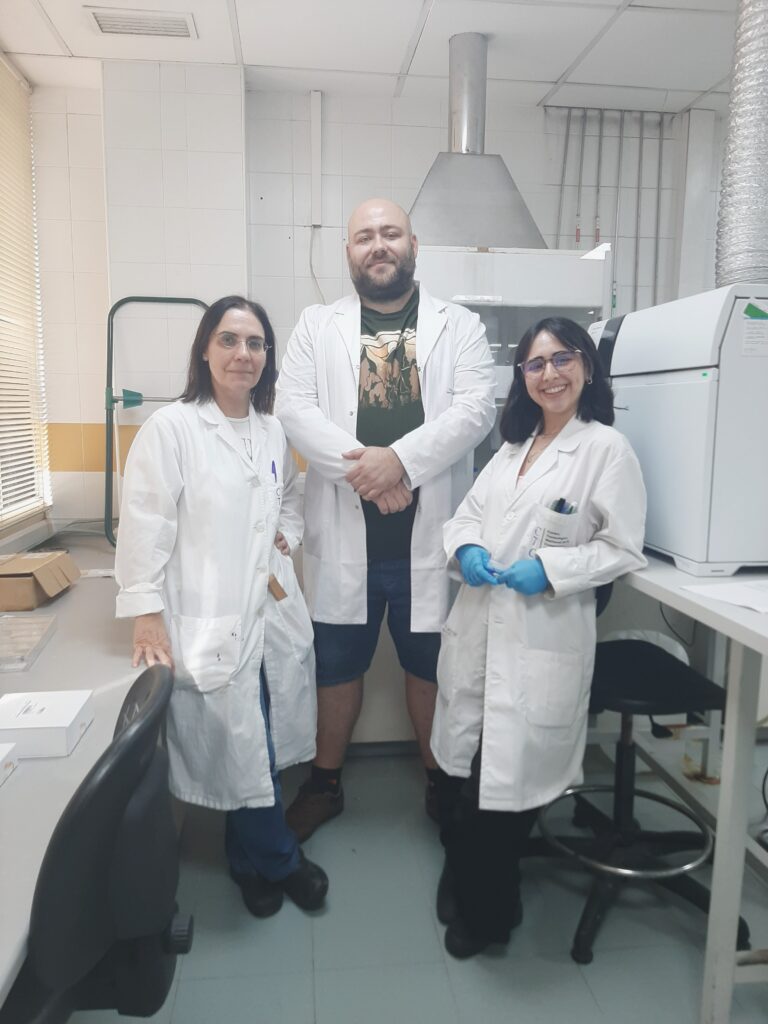
This mobility opportunity will help me to broaden my practical experience of laboratory methods used to assess the quality, safety and chemical composition of food products and by-products of food production. It will enable me to refine my analytical skills, particularly in the areas of sample preparation, instrumental analysis, data interpretation and quality control procedures. These skills are widely applicable to my current research interests, which include studies on contamination by pharmaceutical substances, heavy metals and the interactions between plants and pollutants.
Mobility Title

Wastes as a source of valuable substances – possible usage of methods and extracted substances in environmental microbiology.

The Spark Behind the Science

There was no single dramatic ‘eureka’ moment for me in this regard, but my curiosity grew when I started looking at food production waste and realised that what we casually call ‘waste’ can still contain many valuable compounds. That shift in perspective, seeing leftovers not as the end of a process, but as the beginning of another, made me want to explore how science can improve the agri-food sector by using its resources more efficiently.

Plants vs. Pollutants

My current research focuses on plant responses to environmental contaminants, particularly trace metal elements such as cadmium and zinc, as well as emerging pollutants, including pharmaceuticals.

I investigate the physiological, biochemical, and molecular mechanisms underlying metal tolerance, accumulation, and hyperaccumulation, with particular emphasis on metallicolous and non-metallicolous populations of Arabidopsis halleri and Arabidopsis arenosa.

My ultimate scientific goal is to identify the key traits and mechanisms that enable plants to survive in contaminated environments and to translate this knowledge into improved strategies for environmental risk assessment, phytoremediation, and the restoration of polluted ecosystems.

Where Science Meets Industry

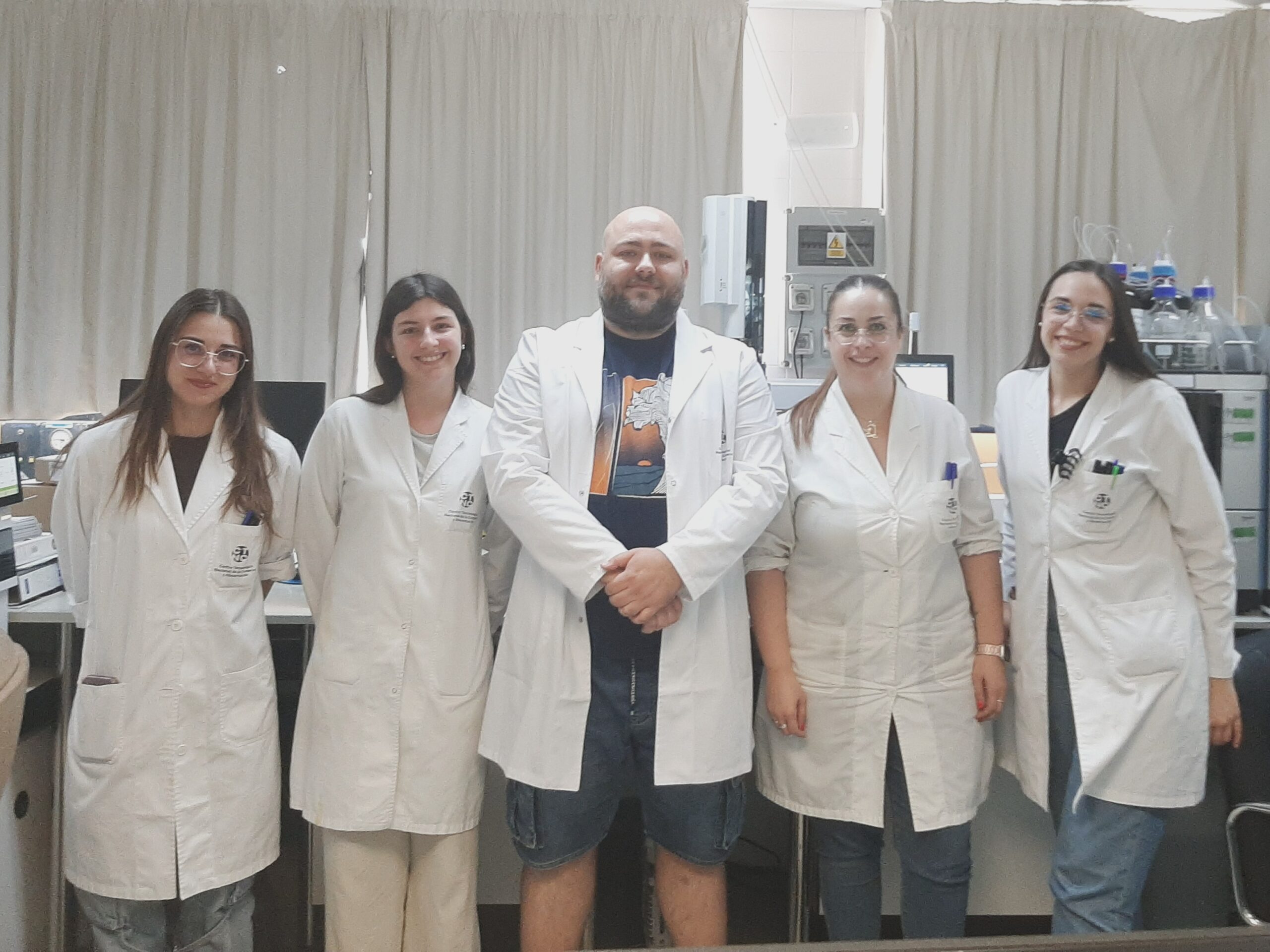
Since joining the LETSGROW project and completing my research stay in a laboratory focused on food safety analysis, I have been surprised by how closely scientific work is connected to practical business decisions. I had not previously fully appreciated how factors such as analytical costs, processing time, regulatory requirements, and clear communication of results influence whether a scientific method can be successfully applied in the food industry. I learned that even an excellent analytical approach must also be efficient, reliable, affordable, and useful for addressing real-world food safety challenges.