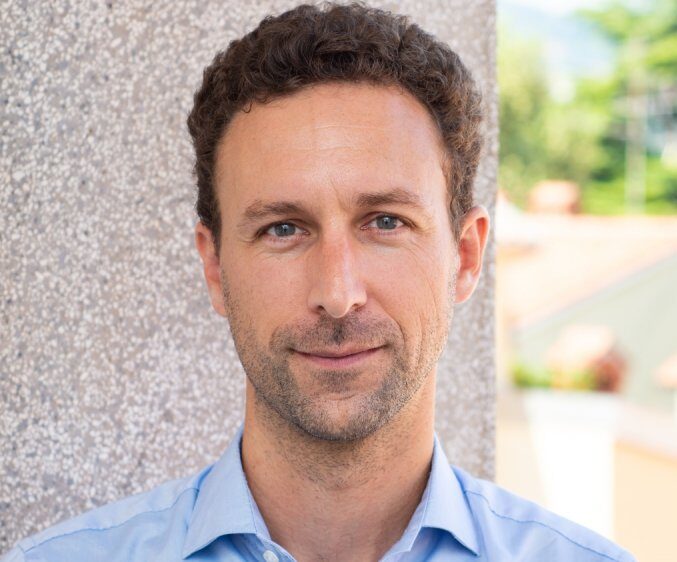
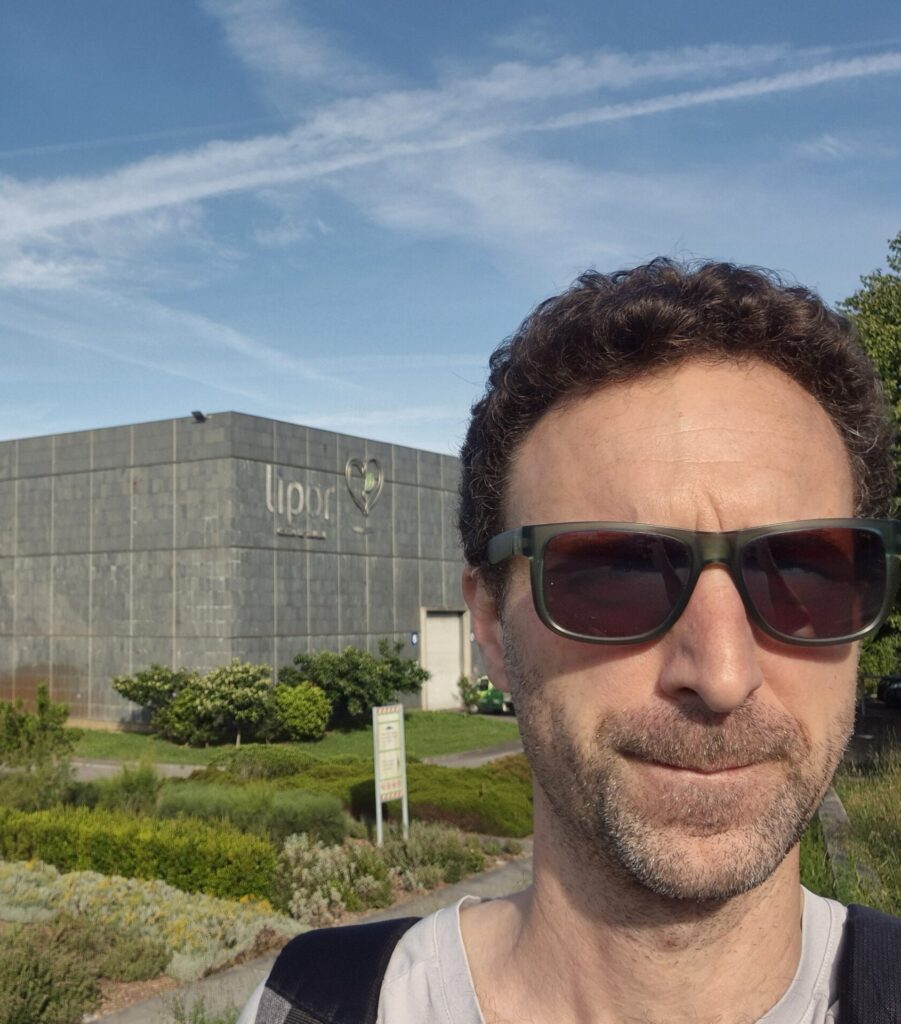
Michael Mrissa

Contributing technical expertise to LIPOR’s current initiatives, specifically supporting the development of innovative, sensor-based solutions for industrial-scale compost monitoring.

Lipor

Host institution

University of Primorska

Home institution

University of Primorska, Faculty of Mathematics, Natural Sciences and Information Technologies & InnoRenew CoE

Mobility information

Profile & Interests

My research focuses on the intersection of computer science, edge computing, and environmental sustainability—specifically the optimisation of organic waste management.

Current Role

Contributing technical expertise to LIPOR’s current initiatives, specifically supporting the development of innovative, sensor-based solutions for industrial-scale compost monitoring.

Mobility Objectives

Overcoming current knowledge gaps regarding biological composting processes and the specific data requirements needed for effective soil management.
A Computer Scientist’s Lens on the Living World

Q: What was the specific moment you realised you wanted to spend your career working behind the scenes of international science and innovation?

A: As a computer scientist, agri-food is a very interesting domain where scenarios are very specific and sensor networks can be extremely useful. I found it very interesting to study compost in particular because large scale usage of composting solutions could greatly reduce our impact on the planet.

Solutions for Planet-Wide Benefits

Q: What is the central focus of your role in the LETSGROW project right now, and what is the ultimate operational or structural goal you are hoping to achieve for the consortium?

A: My research at the moment is focused on low-cost, low-impact edge solution that could provide the maximum benefits for the society while preserving the planet. The ultimate goal is to develop our capacity to reduce, reuse, and recycle so effectively that we reach a point where we can all live well together and mitigate climate change.

Q: If you were explaining your job to your family over Sunday dinner, how would you describe the problems you solve every day without using any project jargon?

A: I would explain that the problem I am solving is to design low-cost low-impact solutions so that we can manage our compost better, to encourage the adoption and development of composting practice at home.

The Eye-Opener

Q: Since joining the project, what is the most surprising thing you’ve learned about researchers or the agri-food sector that you had never considered from an administrative perspective before?

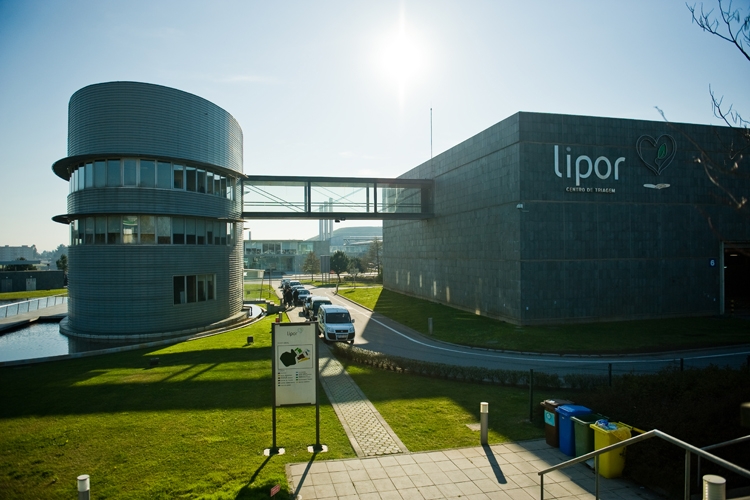
A: I was very surprised how advanced the technology of the LIPOR waste management facility is. It was also impressive to see how they manage to really make the waste valuable in so many ways. I wish that the kind of technology I saw there could be developed and deployed all over the world.