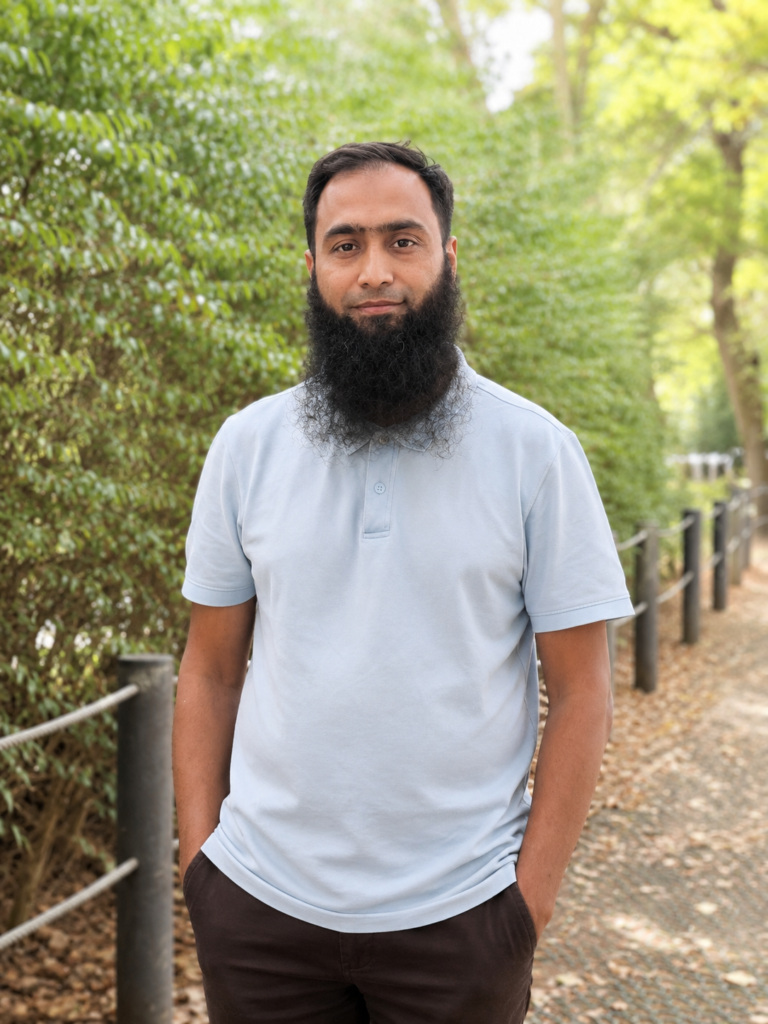
Jawad Nasim

Permanent Research Scientist at Saarland University, Germany, with responsibilities spanning research, teaching, student supervision, and academic administration. My research focuses on medicinal chemistry, synthetic organic chemistry, nanotechnology, biomass and waste valorization, and the development of sustainable and green chemical processes for healthcare and environmental applications.

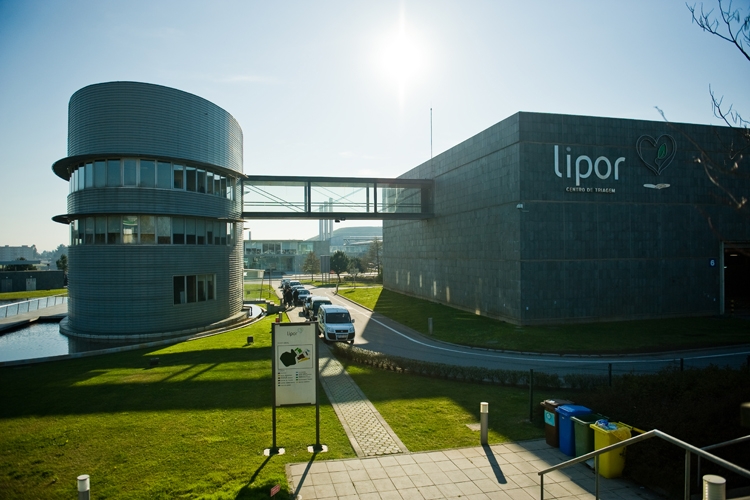
LIPOR

Host institution

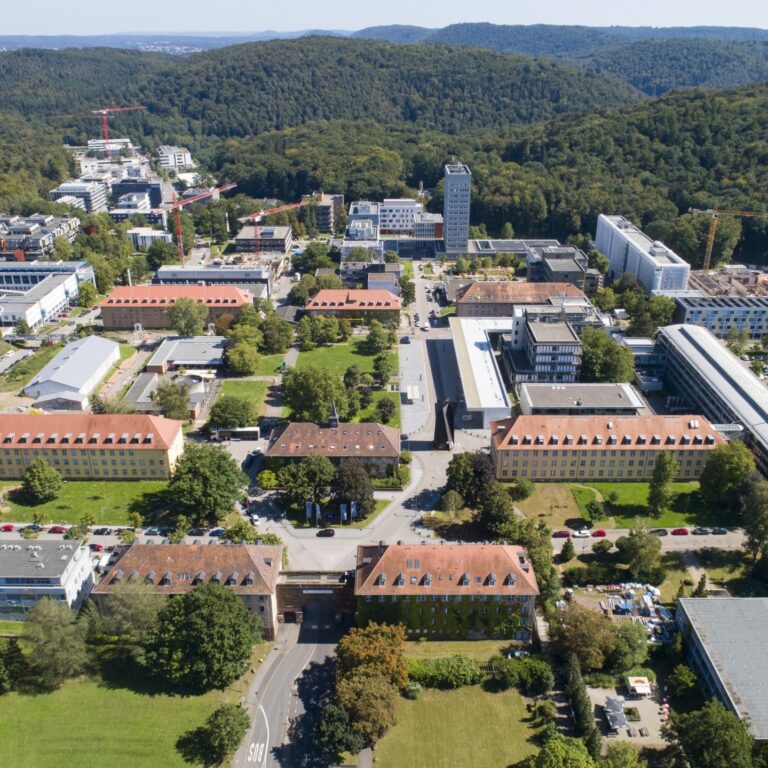
SAARLAND UNIVERSITY

Home institution
Dr Muhammad Jawad Naism

Division of Bioorganic Chemistry, School of Pharmacy, Saarland University

Mobility information

Profile & Interests

Pharmacist by training with interdisciplinary expertise in medicinal chemistry, organic synthesis, nanotechnology, and sustainable chemistry. My research focuses on developing innovative molecules, nanomaterials, and green technologies for drug discovery, biomass and waste valorization, and environmental remediation.

Current Role

Permanent Research Scientist at Saarland University, Germany, with responsibilities spanning research, teaching, student supervision, and academic administration. My research focuses on medicinal chemistry, synthetic organic chemistry, nanotechnology, biomass and waste valorization, and the development of sustainable and green chemical processes for healthcare and environmental applications.

Mobility Objectives

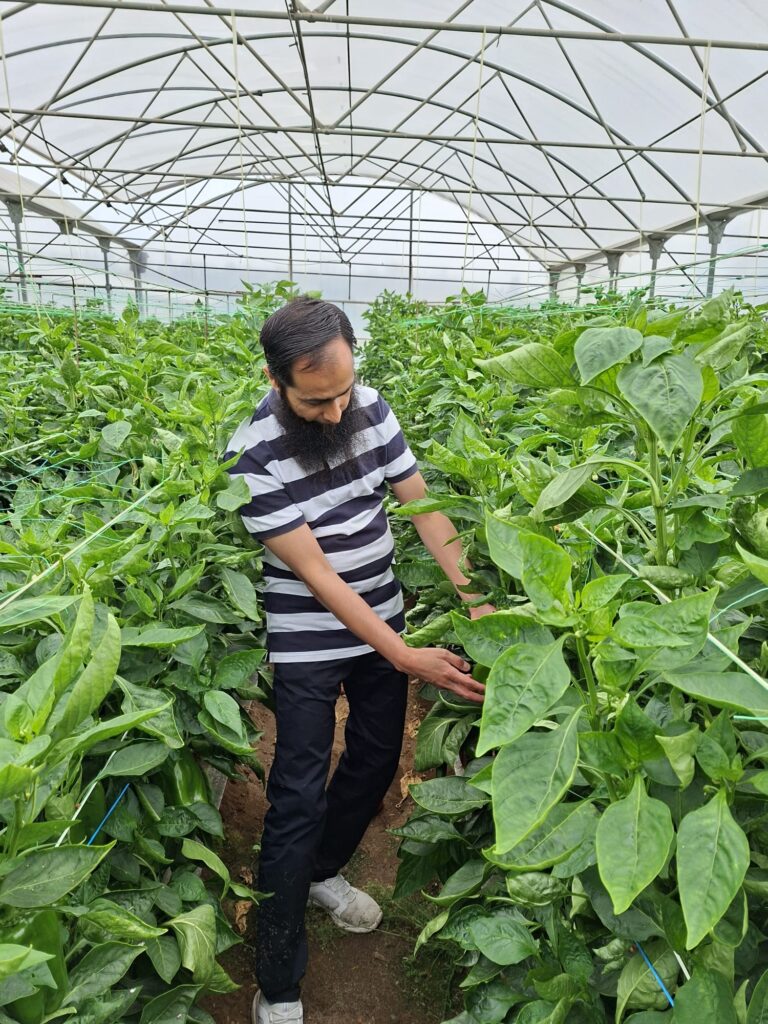
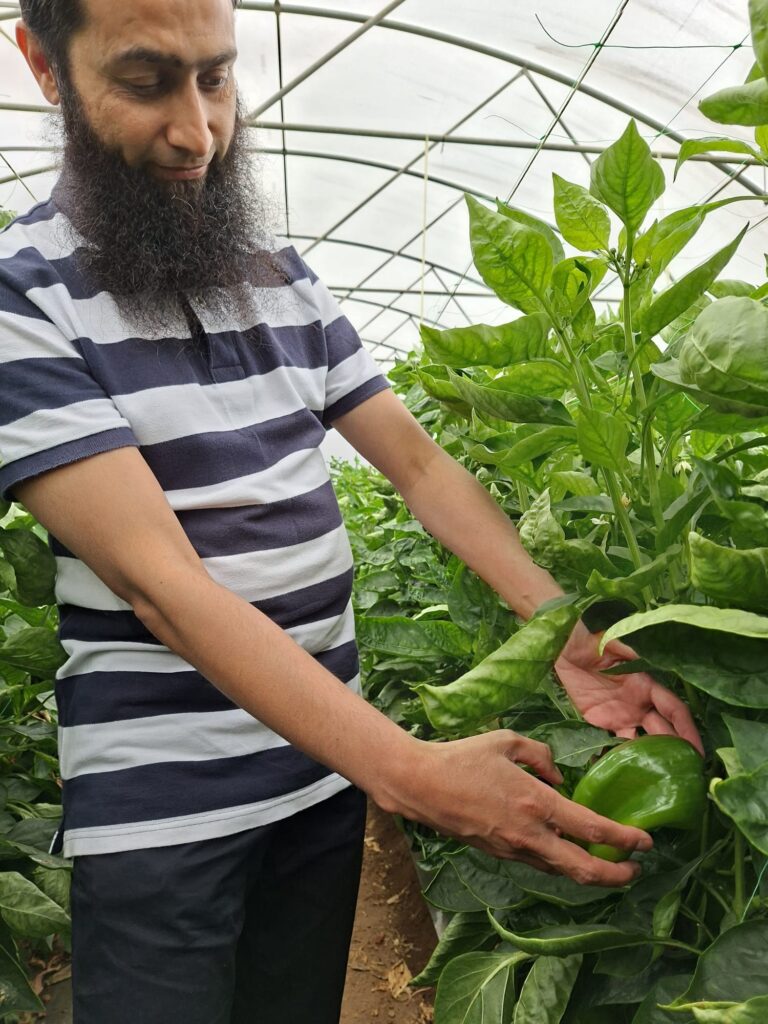
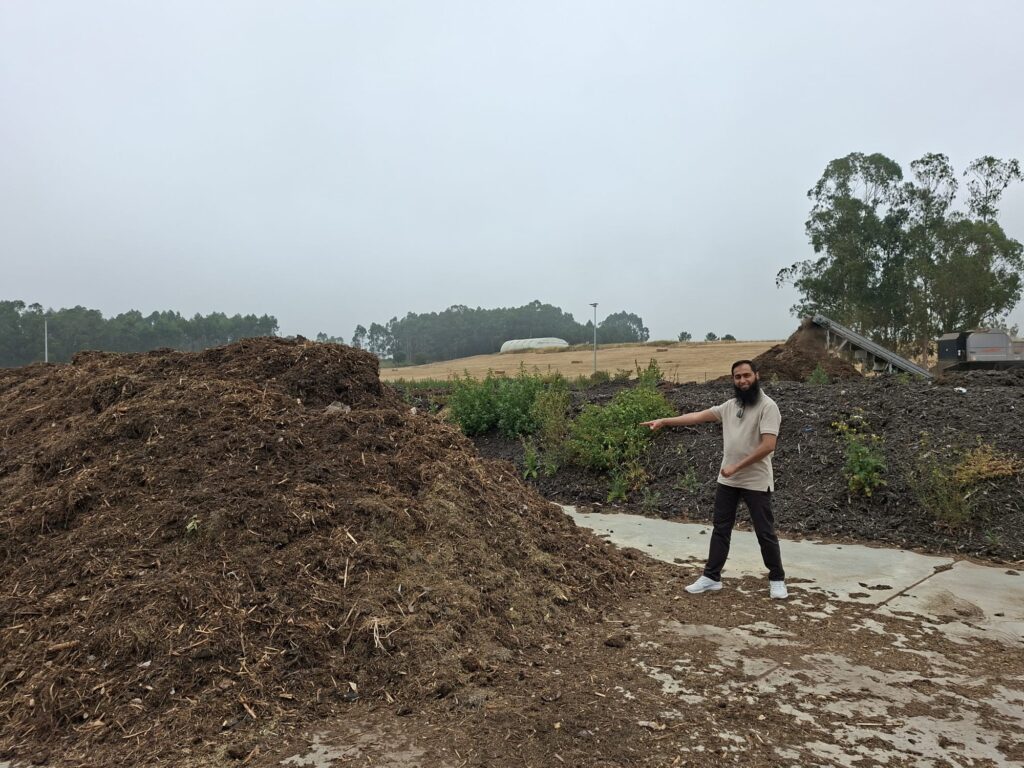
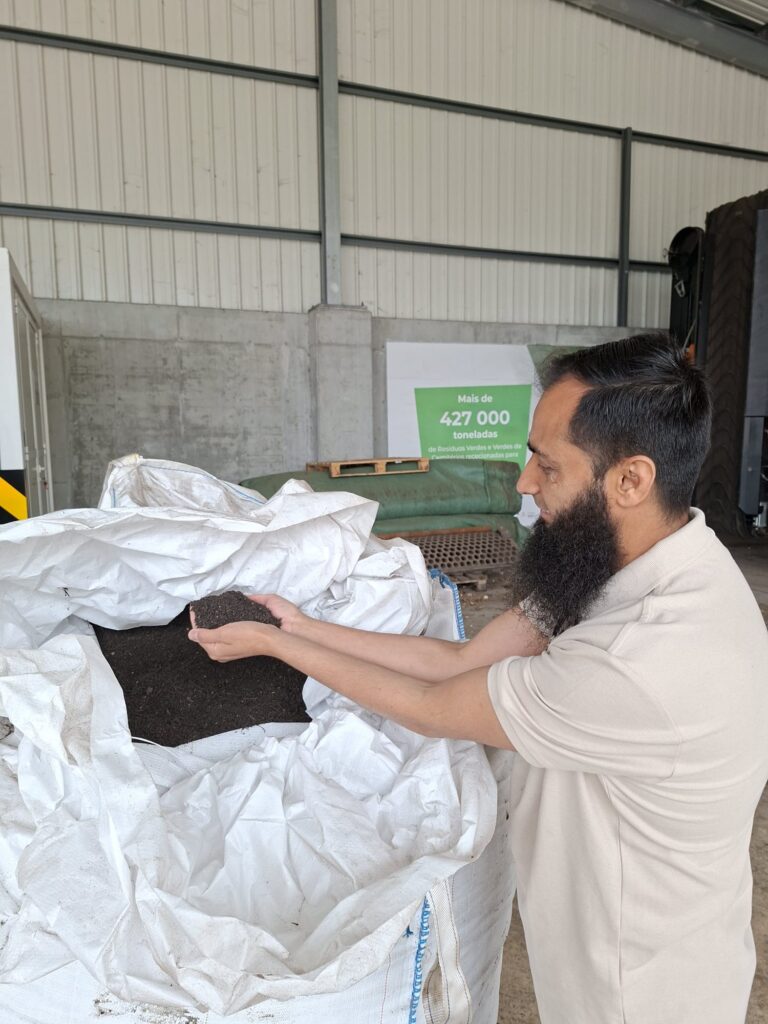
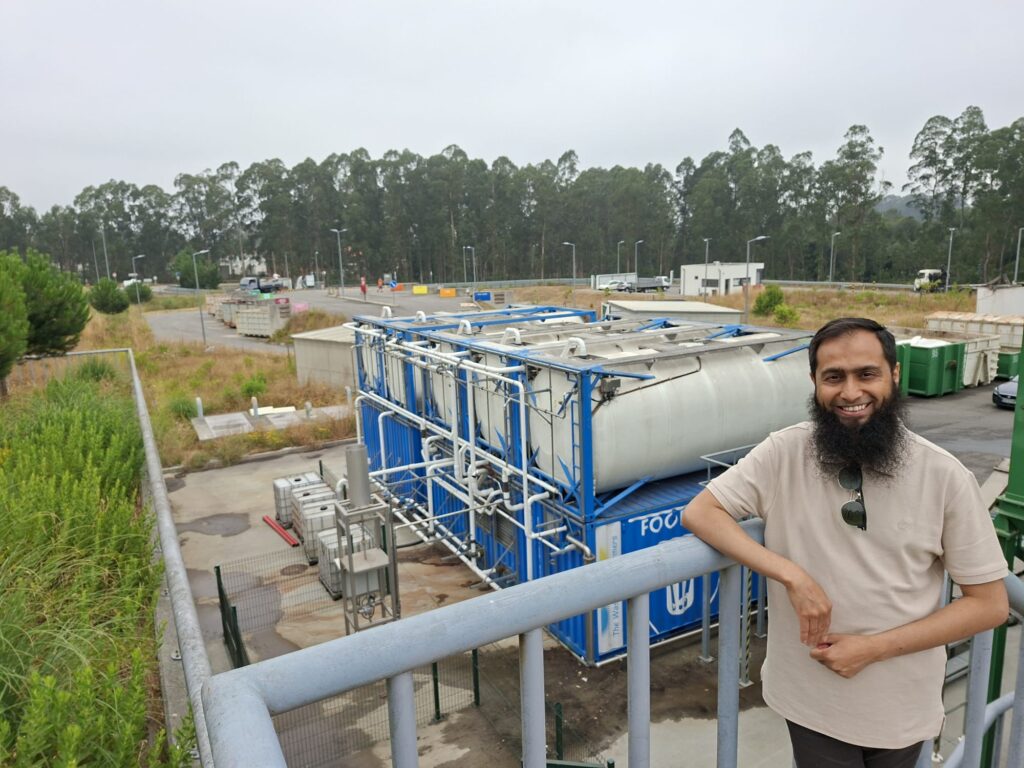
The mobility aims to enhance my understanding of industrial-scale waste valorization and circular economy solutions, particularly for the transformation of organic waste streams into valuable products. Through collaboration with LIPOR, I aim to gain insights into sustainable technologies and establish synergies between green chemistry, biomass valorization, and innovative environmental applications.
Mobility Title

Optimisation and circular solutions in anaerobic digestion and fungal fermentation.

What Else Could This Become?

Although I grew up in a city, I always had a connection with agriculture through visits to my family’s farms in rural Pakistan. I still remember being fascinated by the rhythm of farm life—the smell of freshly harvested crops, the excitement of walking through fields, and seeing how different parts of the harvest were used and valued. These experiences gave me an early appreciation for food production, natural resources, and the importance of making the most of what we have.

Years later, I found myself looking at waste streams in the laboratory with the same curiosity I had as a child exploring my family’s farms—asking not ‘why is this discarded?’ but ‘what else could this become?’.

A Brewing Opportunity

The moment that truly transformed this curiosity into a scientific passion came during my research career in Germany, when I worked on the upcycling of brewer’s spent grain, a major by-product of the brewing industry. I was fascinated to discover that a material left behind after beer production still contained valuable components that could be transformed into useful products. This experience changed my perspective on waste—not as an unwanted material, but as an opportunity—and inspired my continuing interest in biomass and waste valorization within the circular economy.

From Waste to Value

My current research focuses on developing sustainable chemical processes that transform biomass and waste streams into valuable products, supporting the transition towards a circular economy.

By designing innovative catalytic systems and resource recovery strategies, I aim to convert underutilised waste into high-value materials and chemicals. A recent example is our Urinash process, which transforms urine and ash into valuable raw materials, demonstrating how innovative chemistry can turn everyday waste into sustainable resources.

My long-term goal is to develop practical, scalable technologies that maximise resource efficiency, reduce environmental impact, and help build a more sustainable future.

Rubbish Isn't Always Rubbish

I spend my days trying to convince people that rubbish isn’t always rubbish! Many of the things we throw away still contain valuable ingredients. My research is about finding smart ways to give these materials a second life—turning waste into something useful instead of letting it go to waste. If we can do that, we save resources, reduce pollution, and move a little closer to a more sustainable future.

Reaching People

Before joining LETSGROW, I assumed that the hardest part was making a scientific discovery. The project has shown me that an equally important challenge is ensuring that discoveries reach the people who can benefit from them. I’ve learned that successful innovation requires more than excellent research—it also depends on understanding real-world needs, building collaborations, protecting ideas, and communicating their value beyond the scientific community. That broader perspective has fundamentally changed how I think about research and its impact.