Dominykas Butkus

As an agronomist at Nando, I operate between research and development (R&D) and the commercial team. I translate scientific research, product development data, and field trial results generated by our R&D department into practical, agronomically sound  recommendations, application protocols, and usage guidelines. My role involves developing clear and effective product strategies that enable the sales team to confidently advise clients, ensuring that Nando’s solutions are used correctly, efficiently, and in accordance with crop needs, local conditions, and best agronomic practices.

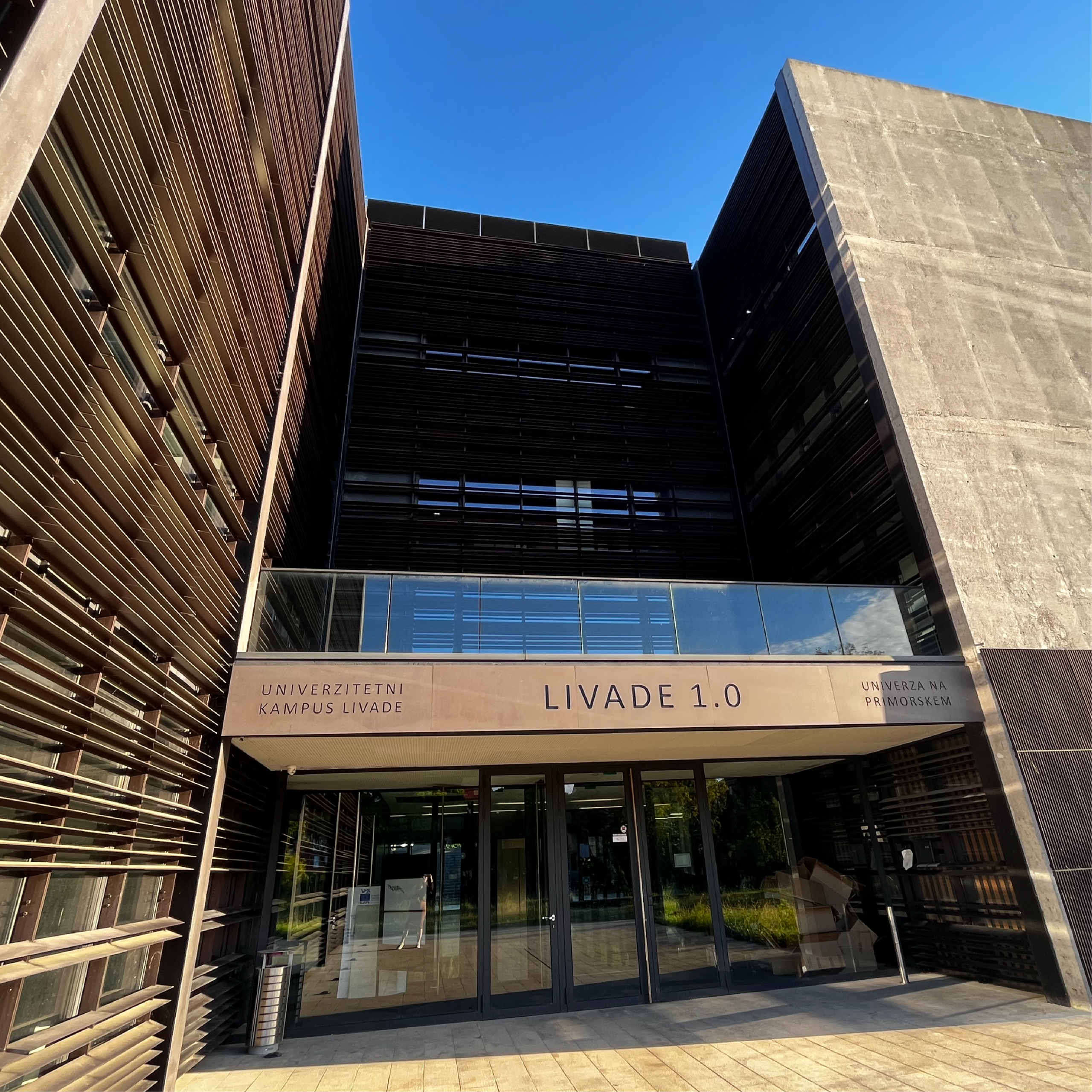
University of Primorska

Host institution

Nando

Home institution

UAB Nando

Mobility information

Profile & Interests

As an agronomist at Nando, I operate between research and development (R&D) and the commercial team. I translate scientific research, product development data, and field trial results generated by our R&D department into practical, agronomically sound  recommendations, application protocols, and usage guidelines. My role involves developing clear and effective product strategies that enable the sales team to confidently advise clients, ensuring that Nando’s solutions are used correctly, efficiently, and in accordance with crop needs, local conditions, and best agronomic practices.

Current Role

My background is in agricultural science, with the focus on sustainable crop nutrition and microbial biostimulants. I’ve spent most of my time working with large-scale crops like wheat and maize, and I’m deeply interested in how we can use beneficial bacteria and fungi to keep soil healthy and reduce the need for heavy chemical fertilizers. I want to expand my  expertise in sub‑Mediterranean crops,
particularly olive trees.

Mobility Objectives

This mobility project is a great opportunity for me to learn how sub-Mediterranean crops like olive trees. This includes acquiring an in‑depth knowledge of olive fertilisation systems, critical growth and phenological stages, as well as the key qualitative and quantitative parameters that define fruit yield and quality. Addressing this gap is essential to ensure accurate agronomic recommendations and the effective positioning of our products in olive production systems.

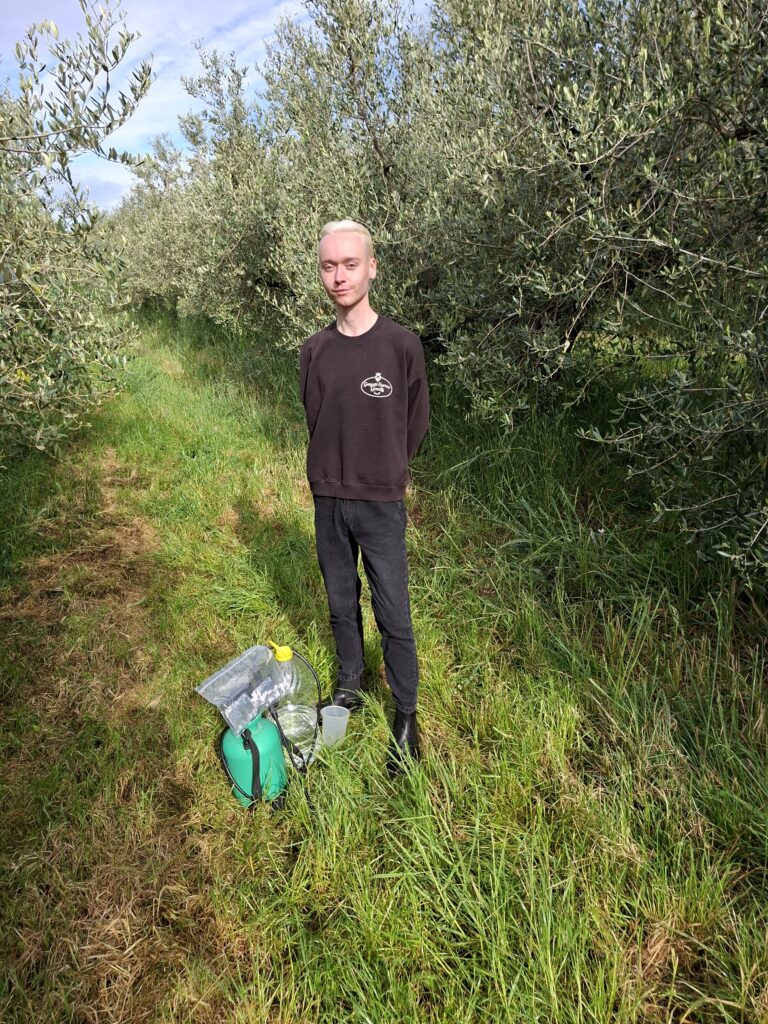
Hands-on, I’ll be running field trials to see exactly how our BioNPK powder can help olive trees thrive with fewer chemical inputs, while getting to know the local farming advisory network in Slovenia.

Mobility Title

Microbial communities research after the application of microbial inoculants
A Natural Growth

Q: What was the specific moment you realised you wanted to spend your career working behind the scenes of international science and innovation?

A: I did not really have one clear moment; for me, it was a passion that developed naturally over time. I grew up in a farming family, so agriculture was always part of everyday life. I saw both how much effort farming requires and how unpredictable it can be.

What changed my perspective was realising that relatively small decisions, like how crops are nourished or how soil is managed, can make a real difference in yield, quality, and long-term sustainability.

Now that my parents are using BioNPK Powder S on their crops, it makes my work even more meaningful. It connects my professional role with my personal background, and it is something I can see working in real conditions, not just trials.

Optimising Plant Nutrition

Q: What is the central focus of your role in the LETSGROW project right now, and what is the ultimate operational or structural goal you are hoping to achieve for the consortium?

A: Right now, my focus is on understanding how biological products, such as BioNPK Powder S, can improve plant nutrition and overall crop performance under real farming conditions. In the LETSGROW project , this includes evaluating how these solutions perform on olive trees.

My ultimate goal is practical. I want to contribute to making farming more efficient, more stable, and less dependant on heavy chemical inputs, without compromising yield or quality.

Q: If you were explaining your job to your family over Sunday dinner, how would you describe the problems you solve every day without using any project jargon?

A: I am working on ways to help crops use nutrients from the soil more efficiently, so farmers can get good yields while using fewer inputs and keeping the soil healthier.

The Power of Communication

Q: Since joining the project, what is the most surprising thing you’ve learned about researchers or the agri-food sector that you had never considered from an administrative perspective before?

A: One thing that really surprised me is how important communication is. It is not enough to have good results. Those results need to clearly show value and be understandable and relevant for farmers.

Another surprising aspect is how much variability there is. Different countries, crops, climates and farmer expectations all affect how product is perceived and used. What works well in one place does not automatically work the same way somewhere else.