Ángela Martínez Tormo

I currently serve as Communications Coordinator at the Intstitutional Projects Management Office (OGPI) of the University of Alicante. My role focuses on designing and implementing institutional communication strategies, strengthening organisational identity, managing internal and external communication channels, and enhancing the international visibility and impact of European and international projects.

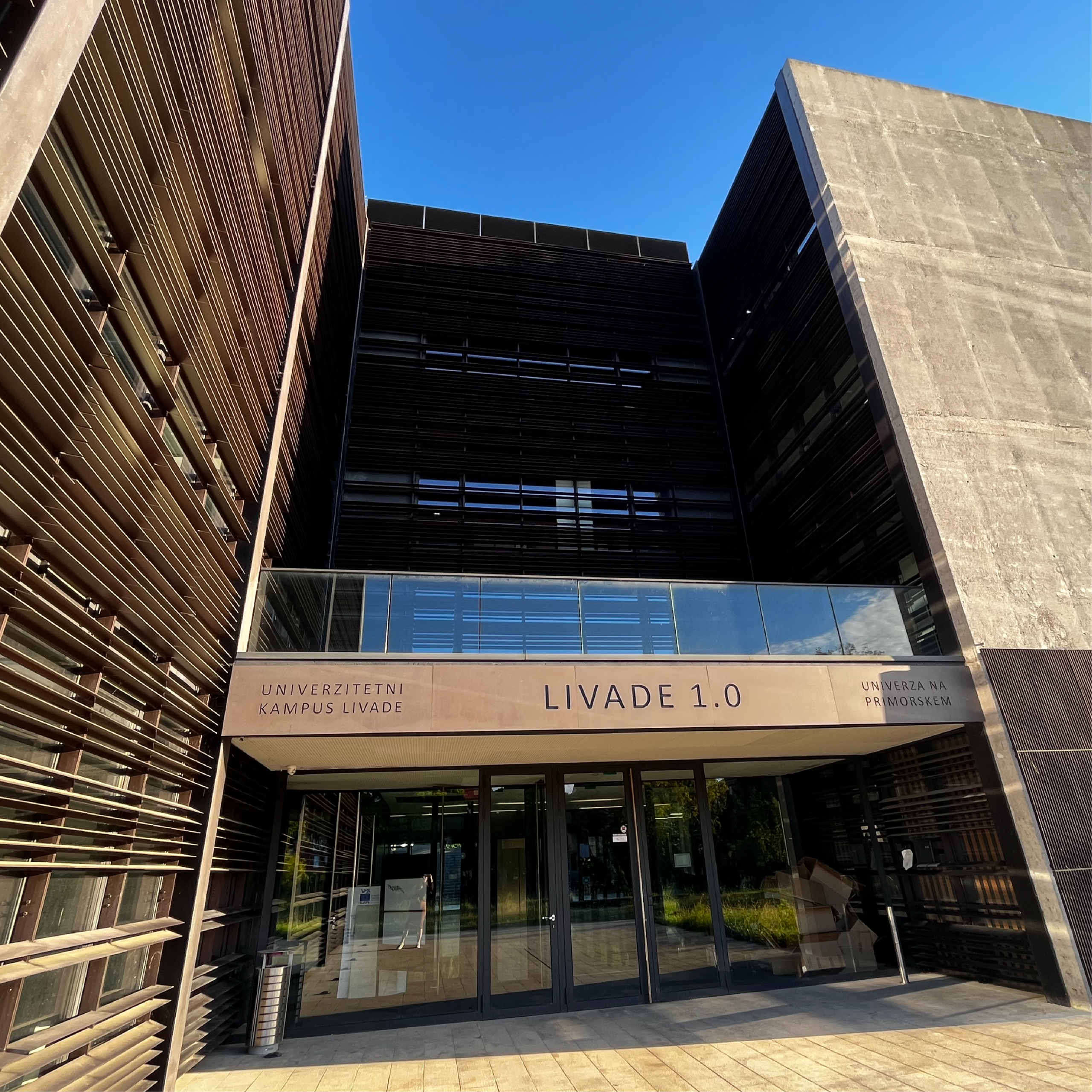
University of Primorska

Host institution

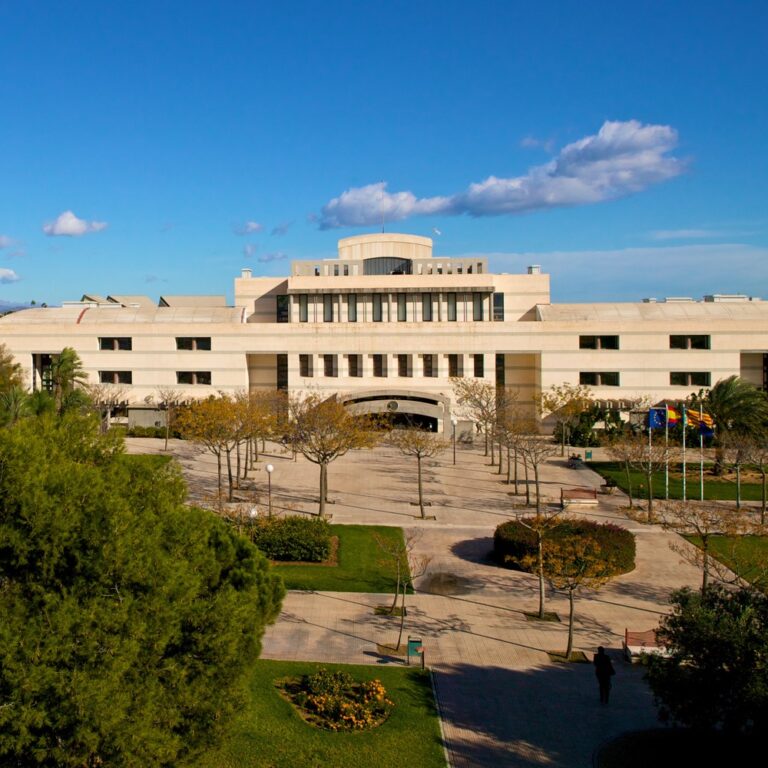
University of Alicante

Home institution

University of Alicante, Institutional Project Management Office (OGPI)

Mobility information

Profile & Interests

My professional background combines communication, marketing, and internationalisation, with extensive experience in institutional communication, strategic storytelling, digital communication, and international project visibility. My main interests lie in institutional reputation, stakeholder engagement, event communication, and impact-oriented communication strategies.

Current Role

I currently serve as Communications Coordinator at the Institutional Projects Management Office (OGPI) of the University of Alicante. My role focuses on designing and implementing institutional communication strategies, strengthening organisational identity, managing internal and external communication channels, and enhancing the international visibility and impact of European and international projects

Mobility Objectives

The main objective of this mobility is to deepen my understanding of institutional communication practices in an international university environment, particularly in the areas of strategic communication, event communication, internationalisation, and impact generation. It also aims to foster the exchange of best practices and strengthen collaboration between European higher education institutions.

Connecting Ideas, People, and Institutions

Q: What was the specific moment you realised you wanted to spend your career working behind the scenes of communication, international science, and innovation?

A: I realised this quite early in my professional journey, when I understood that communication has the power to connect ideas, people, and institutions in a meaningful way. What attracted me most was the possibility of helping valuable work—especially in education, science, and international cooperation—reach the right audiences and generate real impact. Being “behind the scenes” means contributing strategically to something much larger than yourself, and that has always been deeply motivating for me.

Strengthening Visibility and Sustainable Outcomes

Q: What is the central focus of your role in the LETSGROW project right now, and what is the ultimate operational or structural goal you are hoping to achieve for the consortium?

A: My role in LETSGROW is primarily linked to communication and institutional visibility. I aim to contribute by strengthening how project activities, opportunities, and results are communicated—both internally and externally—so that they become more accessible, engaging, and impactful. Ultimately, I believe strong communication helps create stronger institutions, more connected teams, and more sustainable project outcomes.

Q: If you were explaining your job to your family over Sunday dinner, how would you describe the problems you solve every day without using any project jargon?

A: I usually say that my job is to help people understand why what we do matters. Every day, I work on making complex ideas clearer, helping institutions communicate better, and ensuring that good work does not stay hidden. Whether it is through words, events, digital channels, or strategy, my goal is to make connections easier and communication more meaningful.
Communication is Essential, Not Secondary

Q: Since joining the project, what is the most surprising thing you’ve learned about researchers or the agri-food sector that you had never considered from an administrative perspective before?

A: What has surprised me most is how much innovation depends not only on scientific excellence, but also on communication and collaboration. Researchers often work on extraordinary ideas, but their impact grows exponentially when those ideas are communicated clearly, connected to society, and supported by strong institutional structures. That has reinforced my belief that communication is not secondary—it is essential.